Utility Billing
Delaware Net-Metering Credits: What the 2026 Carryover Change Means for Your Bill
Delaware utilities must implement carryover of unused net-metering credits into later annualized billing periods by December 1, 2026, replacing the prior annual reset.

Delaware changed an important net-metering billing rule in 2026. Under the former annual treatment, unused excess kilowatt-hour credits reverted to the electric distribution company at the end of a customer's annualized billing period without payment. The current rule requires those remaining credits to carry into later annualized billing periods no later than December 1, 2026.
As verified September 10, 2026, Delaware utilities are still within the implementation window. Ask the utility or supplier when its billing system will begin the required carryover and how a balance that reaches an annual boundary before that date will be shown.
What Delaware changed in 2026
Section 2.4.3 of 26 Delaware Administrative Code 3012 says that, on or before December 1, 2026, excess kilowatt-hour credits remaining at the end of an annualized billing period shall carry over to later annualized billing periods. Commission-regulated utilities may recover implementation costs, including billing-system technology costs.
For nonresidential customers other than qualifying farm customers, the Public Service Commission, municipal electric companies, and exempt electric cooperatives may impose a limit on the amount carried forward. That possible nonresidential cap should not be turned into a restriction on a residential account without checking the customer class and provider policy.
How Delaware monthly net-metering credits work
Within a billing period, the meter measures net energy flow. Excess kilowatt-hour credits move into later monthly bills and offset later consumption until used. Since January 1, 2024, the regulation values monthly excess credits using the applicable volumetric supply-service and distribution-service components, excluding listed societal-benefit program charges.
The credit does not reduce fixed monthly customer charges. A bill can therefore remain above zero even when carried credits offset volumetric energy use. Customers with a competitive electric supplier should also note that supply-credit responsibility belongs to the entity providing supply, not only to the distribution company.
Your annualized billing period may not be the calendar year
The Delaware rule defines an annualized billing period as 12 consecutive monthly billing periods. For a net-metering customer, the first period begins on the first day of the first full monthly billing cycle after the system is interconnected and generating. That means two neighbors may reach their annual boundary in different months.
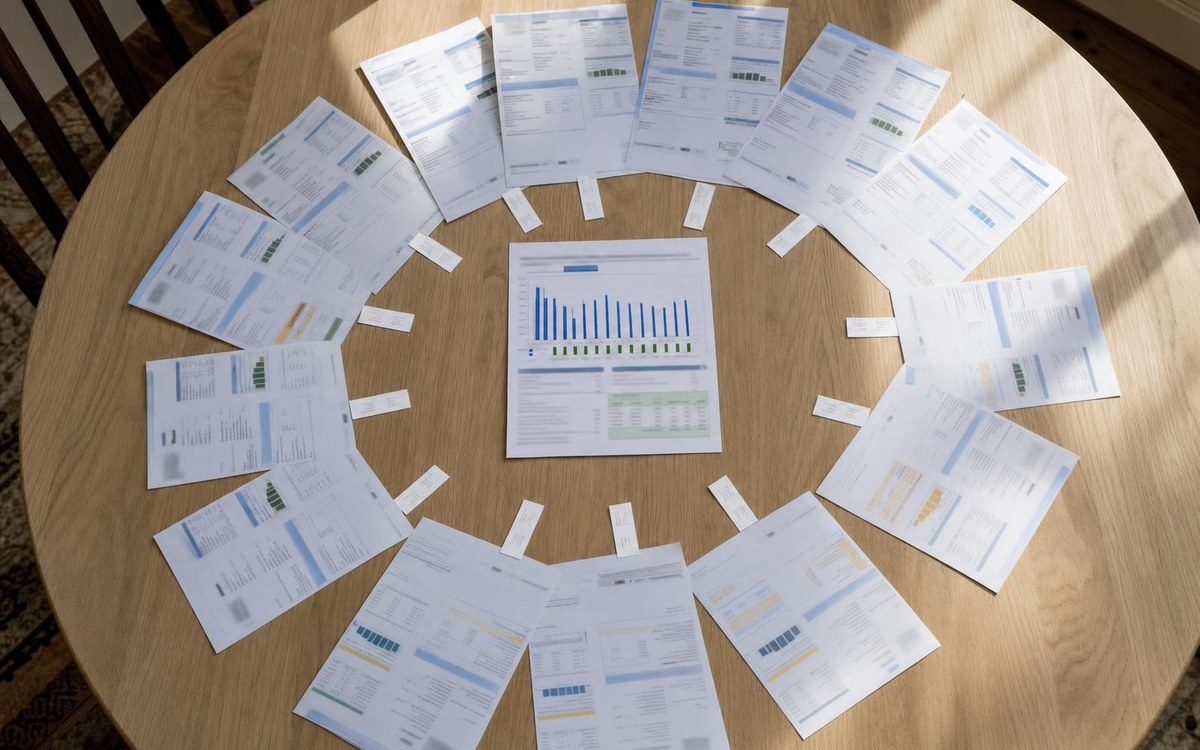
Identify the first full billing cycle after interconnection, then follow the credit balance across the next 12 bills. A salesperson's general statement that credits reset every December, every March, or never expire should be compared with the actual annualized period and the current provider implementation.
What the December 1, 2026 implementation deadline means
The controlling rule establishes an outside deadline for compliant billing systems. It does not say that every provider must wait until December 1. During the transition, the best evidence is the current bill, a written notice from the utility or supplier, and the provider's current tariff or net-metering procedure.
- Ask whether the account has been converted to carryover and the effective billing cycle.
- Request the starting and ending credit balance for the current annualized period.
- If credits disappeared, ask for the rule and date the provider applied and preserve the response.
- If the customer changed suppliers or ended service, ask how section 2.4.10 was applied because the rule treats that event like the end of an annualized period.
Delmarva Power, municipal utilities, cooperatives, and suppliers
Delaware's electric structure includes Delmarva Power, municipal electric systems, Delaware Electric Cooperative, and competitive suppliers. The statewide rule creates the carryover requirement, but the bill format, implementation notice, customer class, supply arrangement, and any permitted nonresidential carryover limit can differ. Identify both the distribution company and the supply provider before comparing credits.
Why carryover does not make oversizing harmless
The regulation generally limits a customer-generator facility to 110% of expected aggregate consumption and sets a 25 kW per-meter ceiling for a Delmarva residential customer. Carryover preserves value that previously could disappear at the annual boundary, but it does not guarantee cash payment, eliminate fixed charges, change a contract price, or make every oversized design economical.
A proposal should show expected annual production, the home's documented consumption, expected self-use, monthly credit buildup, fixed charges, and what happens if the account closes or the homeowner moves. Current billing rules should be used instead of a long-term assumption that every credit or rate will remain unchanged.
What to check on your Delaware solar bill
Compare the interconnection date, 12-month annualized period, monthly imported and exported kilowatt-hours, beginning and ending credit balances, fixed charges, supply provider, and any annual adjustment. Keep those bills with the solar agreement and savings estimate. Solar Exit's payment and utility-bill guidance can help frame the review, and the home-sale section identifies records to gather if a move could close or transfer the account.
Delaware credit carryover FAQs
Will every unused credit carry forward forever?
The rule requires carryover into subsequent annualized periods. Account closure, supplier changes, customer class, later rule changes, and permitted nonresidential limits can affect treatment. Verify the current provider terms.
Can carried credits erase fixed monthly charges?
No. The Delaware regulation says excess kilowatt-hour credits do not reduce fixed monthly customer charges.
Is carryover the same as a cash payment?
No. Carryover keeps excess kilowatt-hour credits available to offset qualifying future consumption. It should not be described as guaranteed cash compensation.
Sources Reviewed
- Delaware Administrative Code, Title 26, Section 3012Reviewed September 10, 2026Controlling current net-metering rule for monthly excess credits, annualized billing periods, the December 1, 2026 carryover deadline, fixed charges, supplier responsibility, system sizing, and customer-class boundaries.
- Delaware Code, Title 26, Section 1014Reviewed September 10, 2026Statutory authority for Delaware net metering and the carryforward of excess kilowatt-hour credits.